

If you are looking for plants in Kolkata, you have four realistic routes: neighbourhood nurseries scattered across Garia, Behala, Rajarhat, Dhakuria and the Maniktala belt; larger horticulture farms on the city’s outskirts; seasonal sapling and flower stalls at markets such as Mullick Ghat; and growers who sell online and courier the plant to your door. The right choice depends less on price than on three things — how much variety you need, whether you can physically carry a pot home, and how confident you are judging a healthy plant by eye.
This guide walks through each option honestly, including what the local trade does well and where it falls short, so you can decide before you spend.
Easy Picks for Small Homes

Air Purifying Indoor Plants Combo
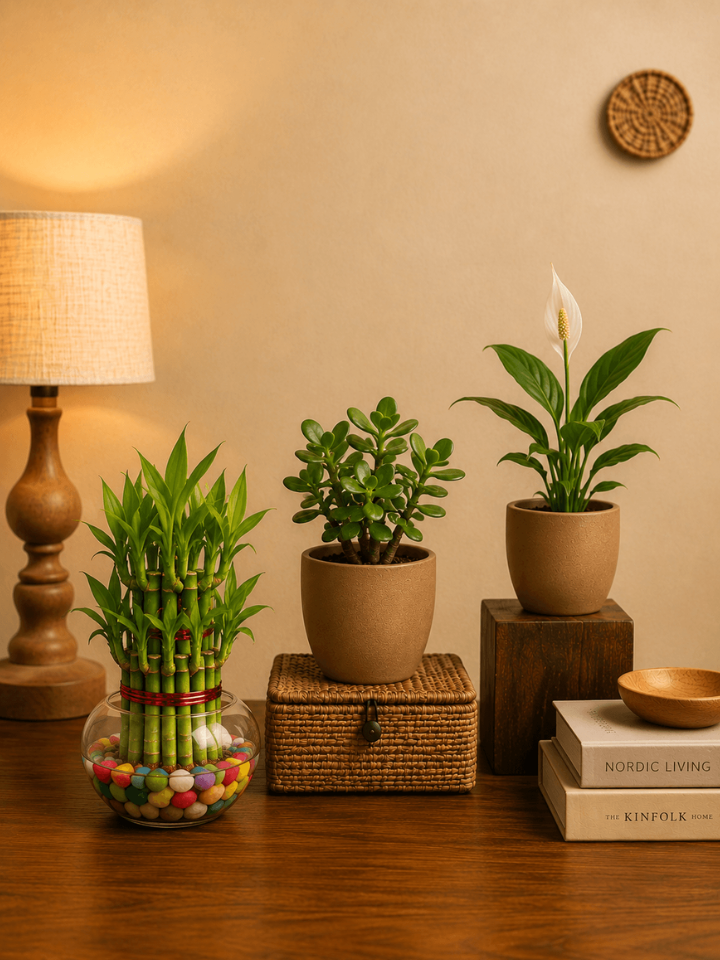

Set of 3 Vastu Plants
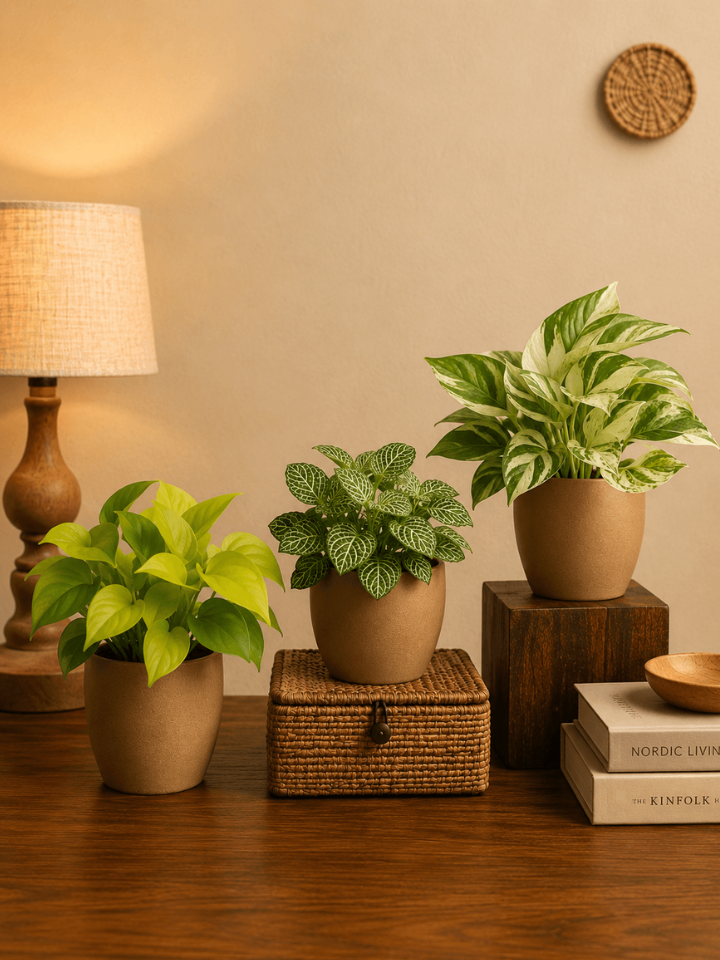

Combo of 3 Minimalist Plant Set
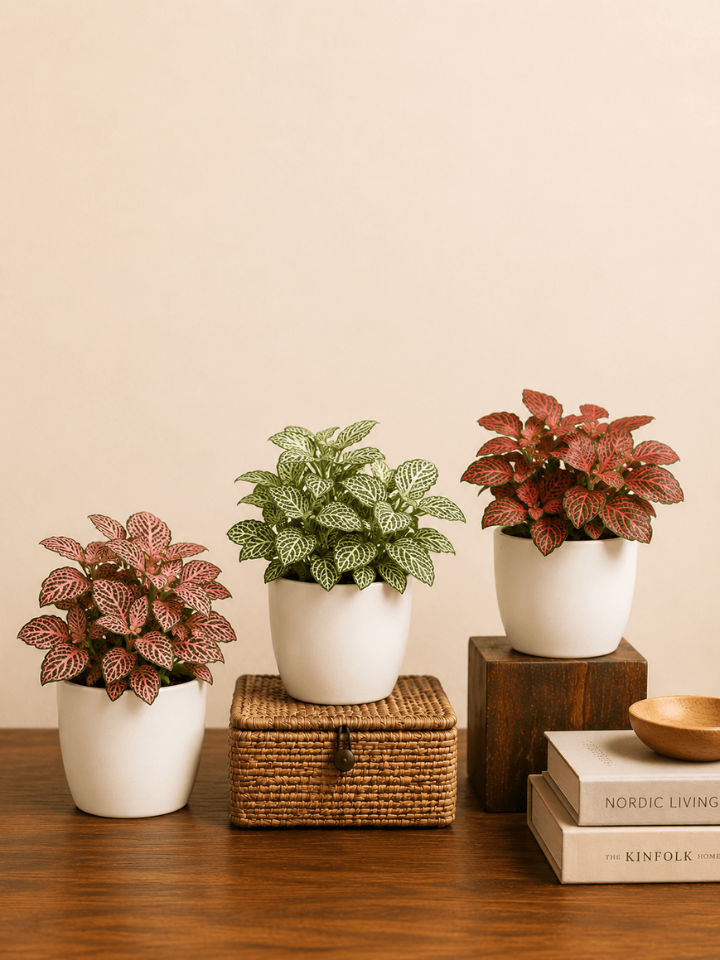

Set of 3 Indoor Plant Combo – Fittonia
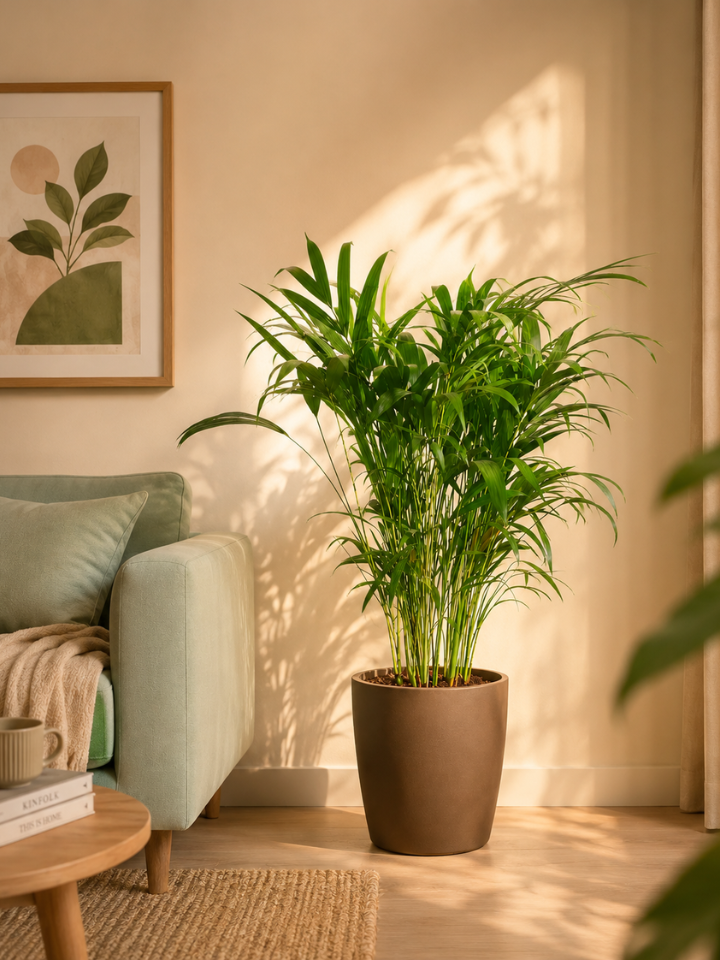
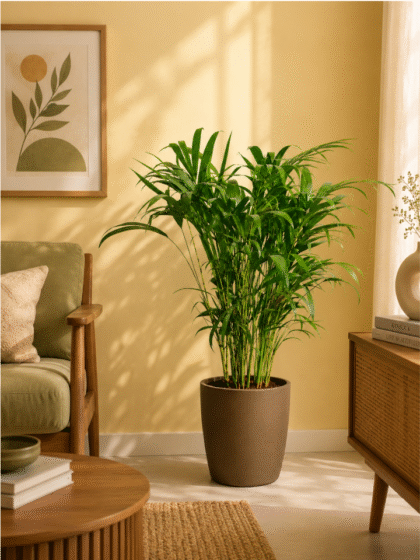
Areca Palm Plant (XL)
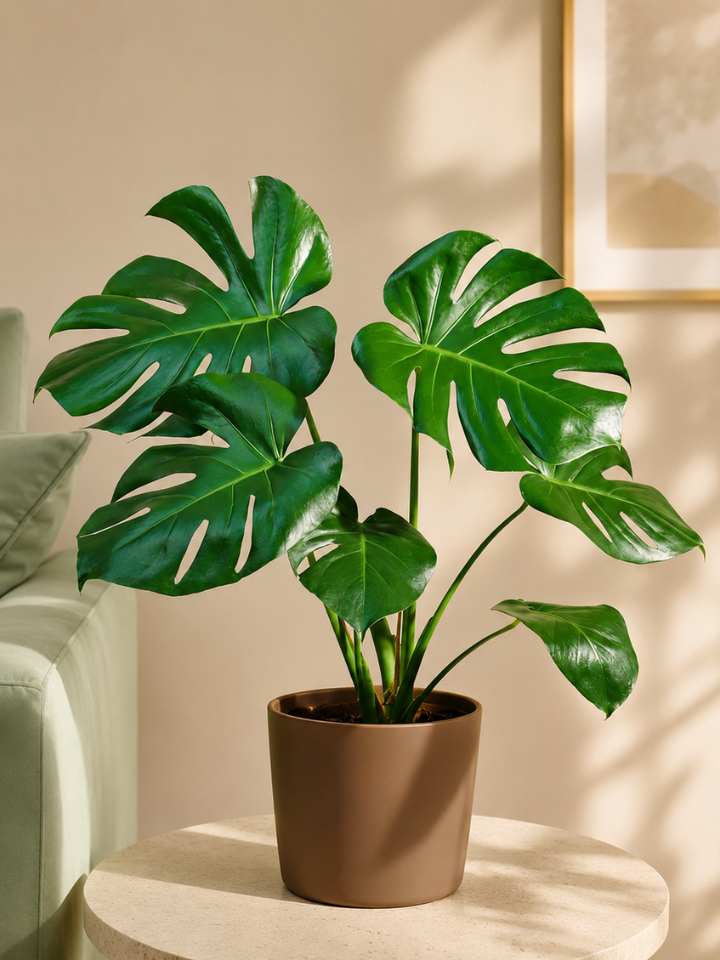

Monstera Deliciosa Plant (XL)
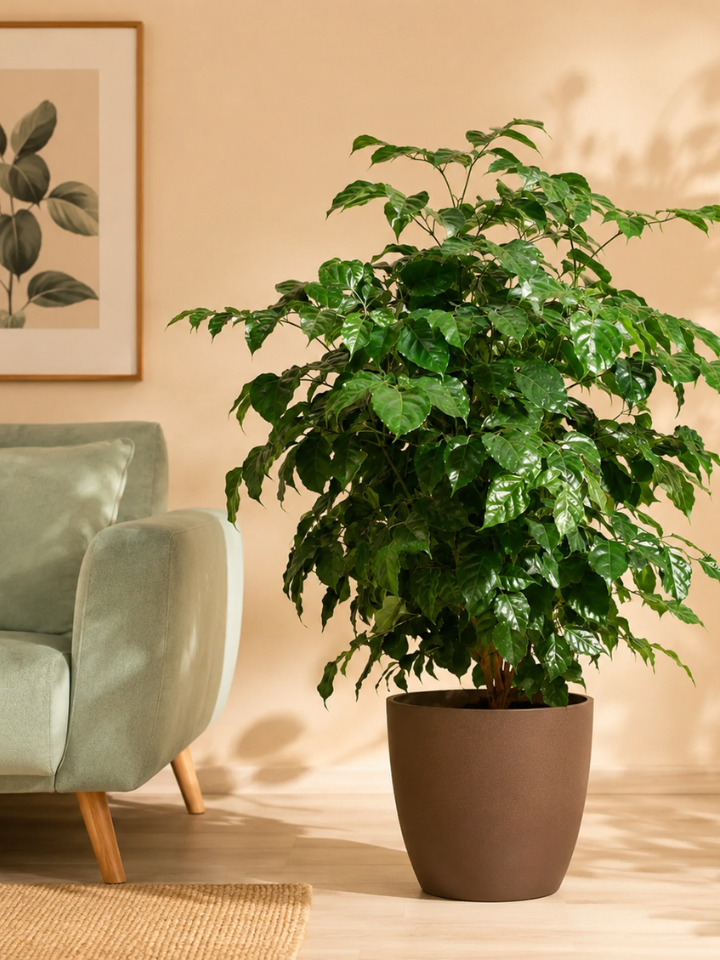
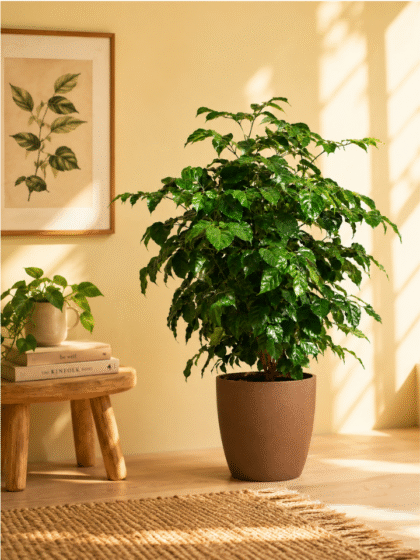
China Doll Plant (XL)
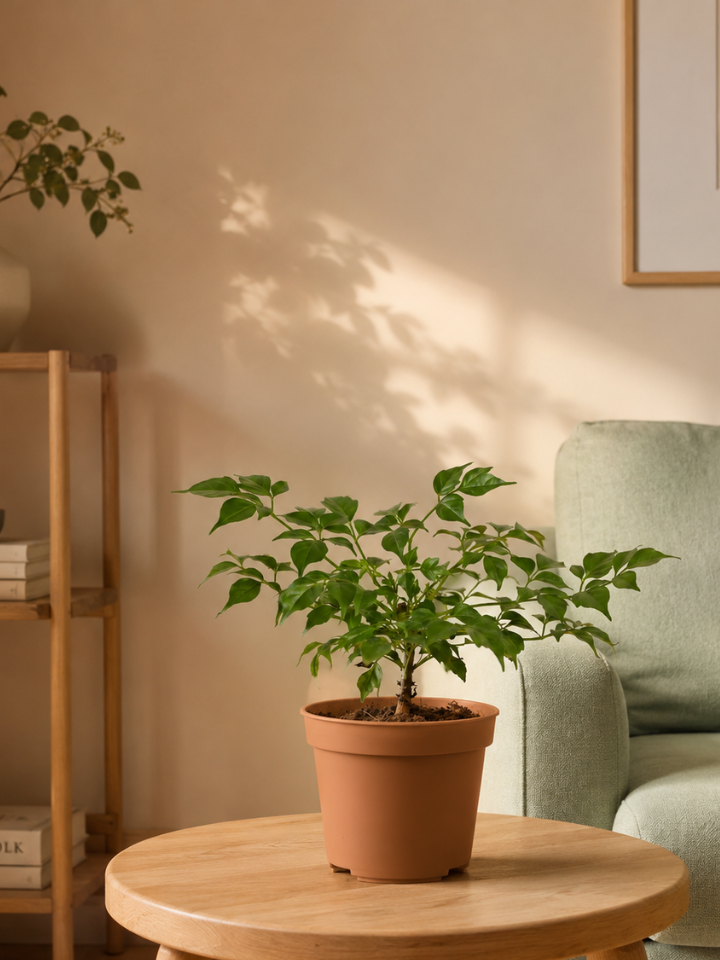
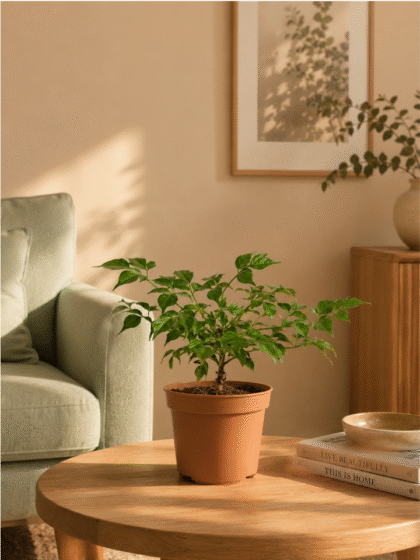
China Doll Plant (Small)
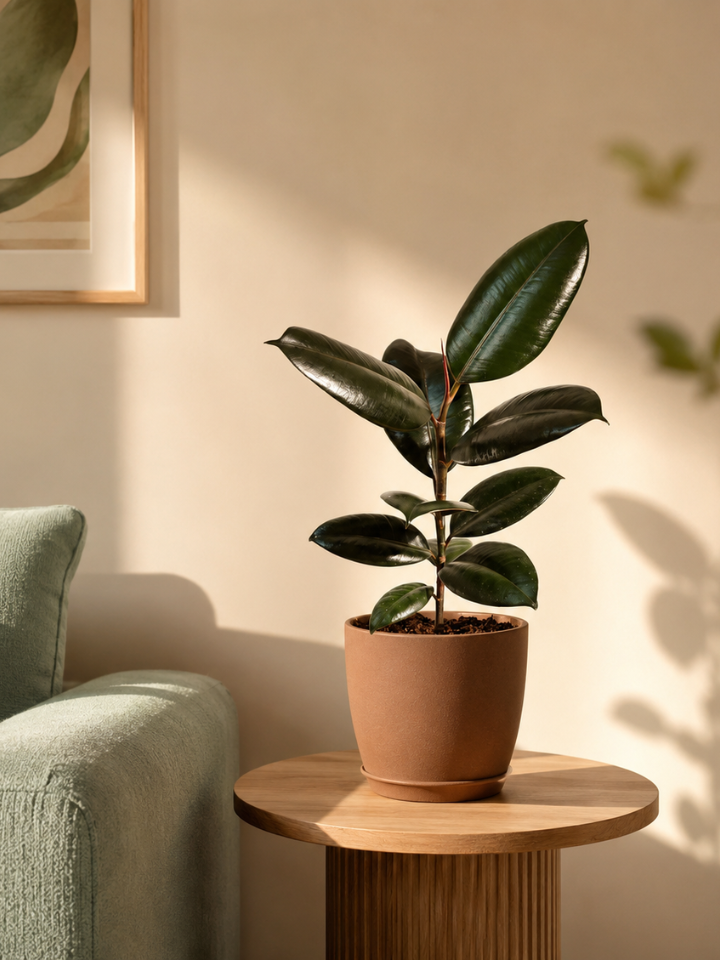
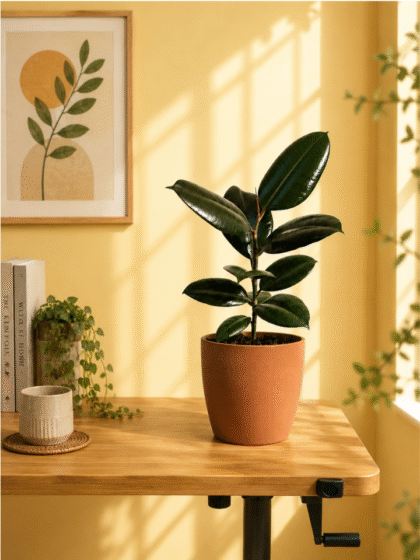
Rubber Plant

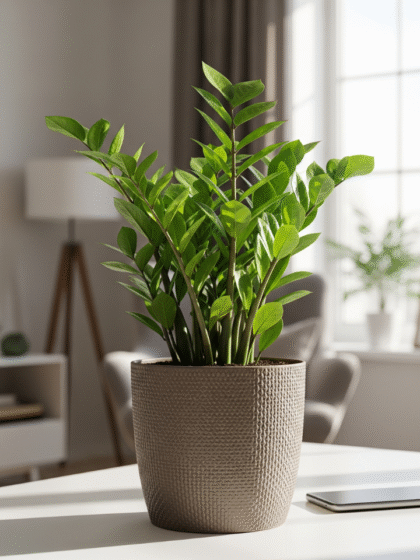
Black ZZ

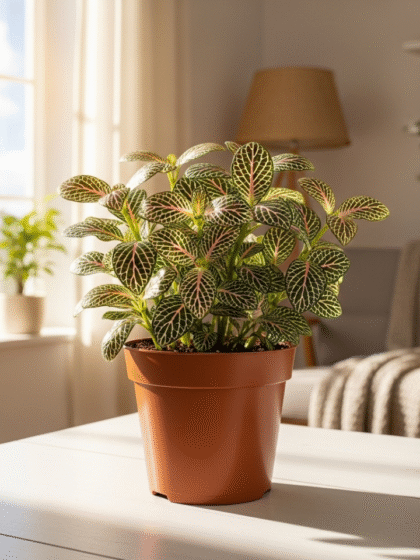
Fittonia

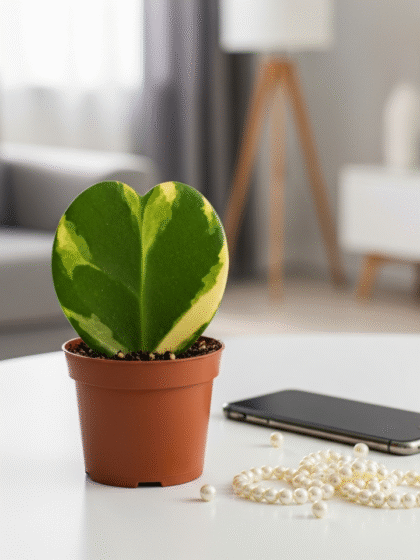
Heart Hoya Plant
Quick answer
- Best for browsing and bargaining: roadside nurseries and weekly markets, where saplings often start under ₹100 but stock quality varies widely.
- Best for large specimens and landscaping: garden centres and horticulture farms towards Rajarhat, Joka and the outer belt, where you can see mature stock before buying.
- Best for variety, care information and doorstep convenience: an established grower selling online, with delivery across the city in a few working days.
- Best for gifting: online, because you can send a healthy potted plant to someone else’s address with a message, without transporting it yourself.
Local nurseries, garden centres and plant markets
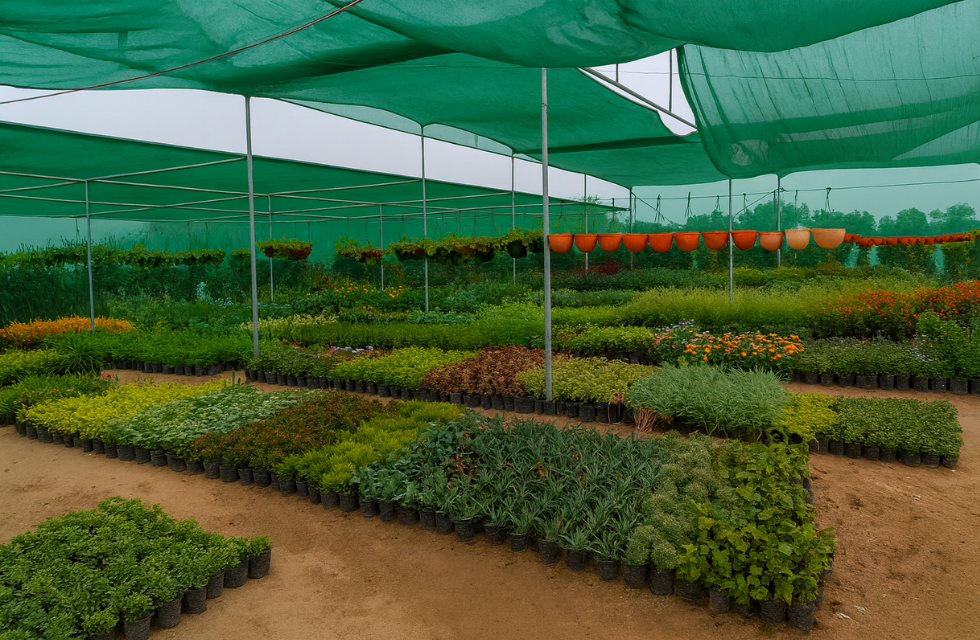
Bengal has one of the oldest ornamental horticulture traditions in the country, and it shows in the sheer number of small growers around the metro. Most of them operate as retail counters for wholesale stock sourced from nurseries in Hooghly, Howrah, Kalyani and the Ranaghat belt, which is why you will often find the same six or seven bestsellers repeated from shop to shop.
Neighbourhood nurseries are excellent for seasonal bedding plants, marigolds before Diwali and Kali Puja, cheap terracotta, garden soil and quick replacements. They are less reliable for anything unusual: ask for a specific cultivar and you will often be handed something close enough. Prices are rarely fixed, so it is worth asking what the plant was potted in and how long it has been standing on that bench.
Larger garden centres on the city’s fringes carry taller specimens — palms, ficus, bamboo, fruit saplings — and usually employ someone who can actually answer a soil or pest question. Because they need space, most sit well outside the centre, so plan a trip rather than a walk.
Seasonal markets are the cheapest entry point and the biggest gamble. Stock is often freshly lifted, unrooted or forced for display, which means it looks perfect on the day and collapses a fortnight later. Buy from these stalls for annuals and short-lived colour, not for a plant you want to keep for years.
Ordering online: how home delivery works here
Buying live plants online has become the default for flat dwellers, largely because the alternative is balancing a leaking nursery bag on a two-wheeler. Several national retailers ship into the metro, and there are also growers based inside West Bengal itself — the practical difference is distance. A parcel travelling from Pune or Bengaluru spends five to seven days in transit; one dispatched from a nursery inside the state usually arrives in two to five working days, which matters a great deal to a plant sitting in a dark carton.
Plantaeroot is one such grower. Its plants are raised at two working nurseries — Rishra in Hooghly, running since 2014, and a second site at Joka — and dispatched directly, so nothing is bought in from a third-party trader between the bench and your doorstep. City-specific details, serviceable areas and delivery windows are listed under online nursery Kolkata.
The ordering sequence itself is straightforward, whichever seller you use:
- Browse by category or by growing condition rather than by photograph, and read the light and watering notes before adding to cart.
- Enter your PIN code at checkout to confirm serviceability, delivery estimate and payment options.
- Choose prepaid or, within West Bengal, cash on delivery where the PIN code supports it.
- Record a single continuous unboxing video when the parcel arrives. Every reputable seller requires this for a damage claim, and it takes thirty seconds.
- Unpack immediately, water lightly, and keep the plant in indirect light for a week before moving it to its final spot.
Free shipping thresholds differ by seller and by zone. For orders inside the West Bengal delivery belt, Plantaeroot ships free above ₹499; for the rest of India the threshold is ₹999, because the parcel travels much further. Below either figure, the charge is calculated at checkout from your PIN code, and dispatch takes one to two working days. Its online plant shop lists indoor foliage, flowering varieties, climbers, succulents and growing supplies together, with live prices and stock counts, so you can see what is genuinely available before committing to an order.
What to check before you pay — anywhere you buy
Quality is not a function of price. A ₹120 sapling from a market stall can outlive a ₹900 designer pot arrangement if the roots are sound. Five checks cover most of it:
- Roots, not leaves. Tip the plant gently out of its bag. You want pale, firm roots holding the soil together — not a black, sour-smelling mass, and not loose soil that falls away because it was potted yesterday to look presentable.
- New growth. A small unfurling leaf or a fresh shoot tells you the plant is actively growing rather than merely surviving on display.
- The underside of the leaves. Mealybug, scale and spider mite hide there. In humid Bengal weather, an infestation spreads to everything else on your balcony within weeks.
- Where it was grown. A plant raised under shade net locally will adjust to your terrace far more easily than one forced in a controlled greenhouse elsewhere.
- What happens if it fails. Ask the policy out loud. Live plants rarely carry conventional returns; what a serious seller offers instead is a replacement or refund against transit damage, verified by that unboxing video, within a stated window.
A useful shortcut when comparing sellers: ask a specific care question before ordering. Anyone growing their own stock will answer in a sentence. Anyone reselling will not.
Who grows what you are buying
Provenance is the single most useful question in this trade and the least often asked. Much of what is sold across the city passes through two or three hands before reaching a retail counter, which is why the same plant can look robust at one shop and exhausted at another two streets away.
Plantaeroot was founded in 2014 by Basudev Saha and remains a family-run nursery business rather than a marketplace. Orders are packed and dispatched by the same team that grows the stock. Neither site is open for walk-in retail — everything is ordered through the website — but confirmed bulk and wholesale buyers can arrange a visit by appointment.
Outdoor plants, climbers and terrace gardens
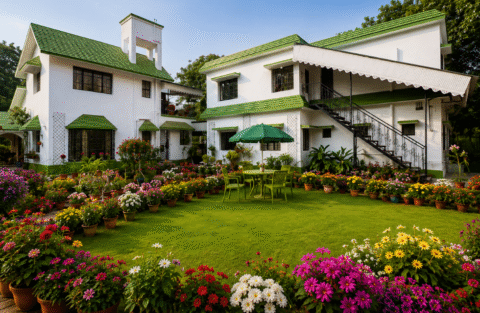
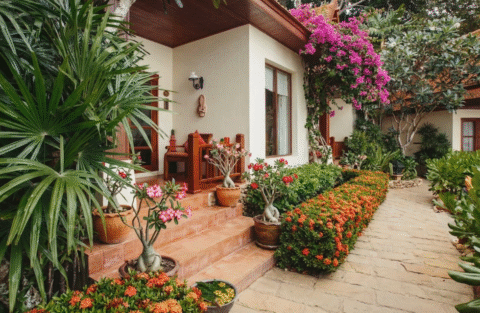
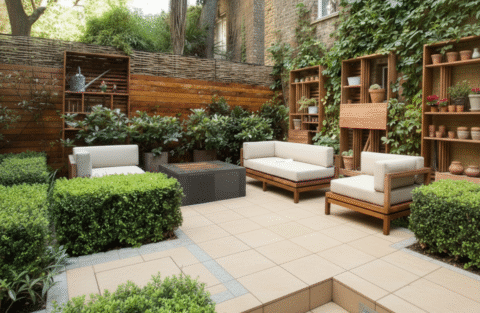
Terraces, balconies and small courtyards are where local gardening actually happens, and the city’s climate is generous to anyone growing outdoors. Long humid summers, a heavy monsoon and a short mild winter suit a wide range of tropical material — hibiscus, ixora, bougainvillea, allamanda, adenium, curry leaf, lemon and guava all perform well in pots given enough sun.
Vertical space is usually the most underused resource in a city home. Grille railings, boundary walls and pergolas can carry a great deal of greenery without occupying floor area, and outdoor climbing plants such as madhabilata, aparajita, jasmine, morning glory and passionflower will cover a wall within a season or two. Two practical notes: give any vigorous climber a support before it starts reaching, and keep woody creepers off plaster you care about.
The single most common failure on an exposed terrace here is not neglect but heat at the root zone. Dark plastic pots standing on concrete in May can cook roots even when the plant is watered daily; terracotta, a layer of gravel, or simply raising pots off the slab solves most of it.
Succulents, cacti and harder-to-find species
Rarer material is where local supply thins out fastest. Variegated aroids, imported hoyas, unusual philodendrons and collector cacti circulate mainly through hobbyist groups, plant fairs and specialist sellers rather than general nurseries, and prices vary enormously for the same cutting.
Succulents deserve a specific warning in this climate. They fail here far more often than anywhere drier in India, and almost never from lack of water — it is the monsoon that kills them. Grown in ordinary garden soil, under a roof that traps humidity, they rot from the base. Anyone selling succulent plant varieties honestly will tell you the same three things: use a gritty free-draining mix, keep them where rain cannot sit on the crown, and water far less than instinct suggests between June and September.
Haworthia, gasteria, echeveria, jade and most columnar cacti will then do perfectly well on a bright windowsill.
Air quality claims, stated accurately
Plants are frequently marketed as a fix for indoor pollution, and the claim deserves more care than it usually gets. The well-known NASA study from 1989 measured single plants inside small sealed chambers. A 2019 review of that body of research by Cummings and Waring, published in the Journal of Exposure Science and Environmental Epidemiology, concluded that the clean-air delivery rate of potted plants in real rooms is negligible compared with ordinary ventilation — you would need an implausible number of them to match opening a window.
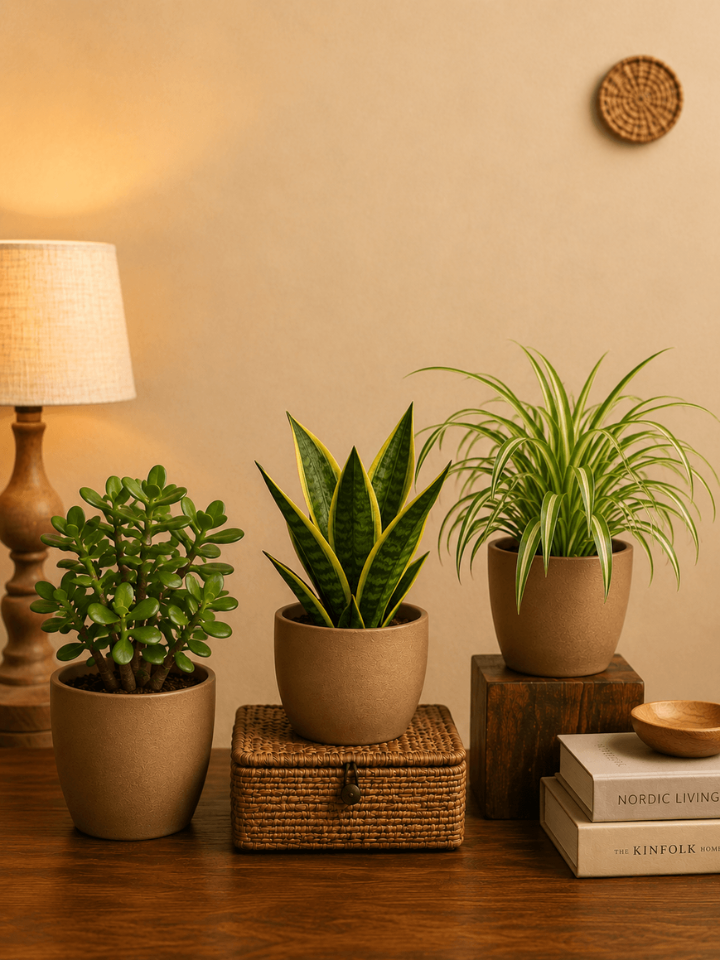
That does not make greenery pointless indoors. Plants add humidity, soften noise and light, and there is reasonable evidence that they improve mood and perceived comfort in a room. So buy air filtering plants such as areca palm, snake plant, spider plant or peace lily because they are handsome, tolerant and easy — and treat any promise of measurable pollution removal with scepticism, wherever you read it. Note too that several of these, including snake plant, peace lily and money plant, are listed as toxic to cats and dogs by the ASPCA, which matters more in a household with pets than any air-quality argument.
Flowering and ornamental choices through the year
A garden here can carry colour in every month if the planting follows the seasons rather than fighting them. Winter, roughly November to February, is the richest window: petunia, dianthus, calendula, chrysanthemum, dahlia and salvia all thrive in the cool dry air, which is why nurseries fill with seedlings from October. Summer belongs to portulaca, vinca, zinnia, kalanchoe and bougainvillea. The monsoon suits hibiscus, ixora, rangan, torenia and balsam, which handle the downpours without sulking.
Care matters more than variety with flowering stock. Most people who buy flower plants online and see no blooms have given the plant too little direct sun or too much nitrogen-heavy fertiliser, which produces leaves at the expense of flowers. Six hours of light and a phosphorus-leaning feed once a fortnight will change the result more than switching species.
Tools, pots and growing supplies
Buying plants and buying the things that keep them alive are separate errands, and it is worth planning both. A functional starter kit is short: a pruner that actually cuts, a hand trowel, a watering can with a fine rose, a spray bottle, cocopeat, vermicompost, neem cake or neem oil, and pots with genuine drainage holes.
Hardware markets around Burrabazar and the older parts of the city stock tools cheaply, while nurseries and online stores carry the growing media and organic inputs. Choosing the best outdoor plants for home use is only half the decision — pot size and potting mix determine as much of the outcome as species does. As a rule, go one size up from the nursery bag rather than three, and never fill a large pot with dense garden soil, which compacts and waterlogs in the rains.
Indoor plants for flats and apartments
Indoor growing conditions in the city are peculiar: high ambient humidity for much of the year, which most tropical foliage enjoys, combined with dry air-conditioned rooms and windows that are often shaded by the next building. Light, not neglect, is the usual constraint.
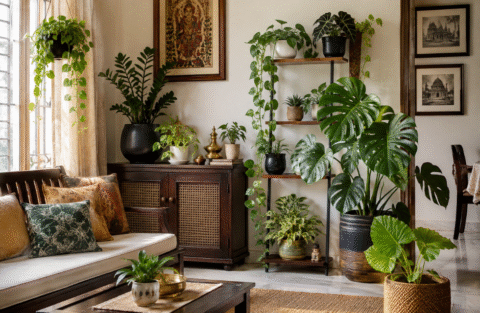
Measure the light honestly before choosing. If you can read comfortably without a lamp at midday, the spot will support pothos, ZZ plant, snake plant, aglaonema, syngonium and philodendron. Bright indirect light near an open window widens the range to monstera, calathea, peperomia and ferns. A dim corner more than three metres from a window will not support anything long term, whatever the label claims — rotate a plant through it rather than expecting one to live there.
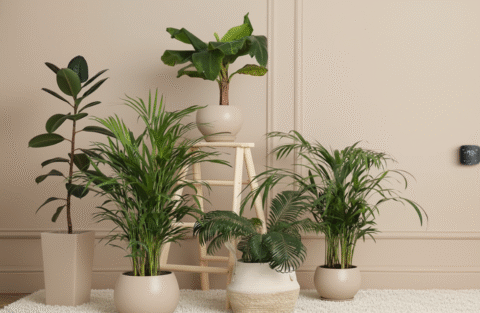
For compact homes, the best indoor plants for apartment living are the forgiving ones: species that tolerate a missed watering, cope with a fortnight of monsoon gloom, and do not shed constantly. Group them loosely so they share humidity, keep foliage clear of dust, and let the top inch of the mix dry before watering again. Overwatering, not underwatering, remains the leading cause of houseplant death in this climate.
What things cost, and what "affordable" really means
Broadly, small saplings and rooted cuttings start around ₹80–₹150, established medium foliage sits in the ₹250–₹600 band, flowering and fruiting plants of a reasonable size run ₹400–₹900, and large specimens or gift arrangements climb past ₹1,000. Online prices tend to sit above street prices for the same species, because the figure includes a grown-out plant, a nursery pot, packing designed to survive transit, and someone answerable if it arrives broken.
The cheapest purchase is rarely the cheapest outcome. A ₹100 plant replaced three times costs more than a ₹350 one that establishes. If budget is the constraint, the sensible economies are buying smaller sizes of the same species, ordering several plants together to clear the free-shipping threshold in one go, and choosing varieties that propagate easily — pothos, syngonium, coleus, sansevieria and most succulents will fill a home from a handful of cuttings within a year.
Subscriptions, landscaping advice and organic questions
Three questions come up often enough to answer plainly.
Plant subscription boxes. A few national brands run monthly plant or seed subscriptions that deliver into the city; most local growers, including Plantaeroot, do not operate one. If you want the same effect, place a small order every few weeks or ask a seller directly whether they can plan a phased delivery — that is usually easier for a nursery to honour than a fixed subscription.
Landscaping and design advice. Some larger garden centres and independent horticulturists offer site visits, terrace-garden design and maintenance contracts, typically charged separately from the plants. Online sellers generally advise on selection and care rather than design, which is the honest division of labour — nobody can plan a terrace they have not stood on.
Organic and pesticide-free stock. Treat unverified “organic” labelling with caution. Commercial nurseries almost universally use some pest control, and there is no certification scheme for ornamental plants in India comparable to the one for food crops. What you can reasonably ask is what was applied and how recently — relevant if you are growing herbs, curry leaf, lemon or anything else you intend to eat. Rinsing edible foliage and repotting into fresh organic mix on arrival is sensible practice regardless of the answer.
How to choose between sellers
Reviews are worth reading, but read them for pattern rather than score. Complaints about a single dead plant tell you little; live stock occasionally fails in transit no matter who packs it. What matters is how the seller responded. Look specifically for whether replacements were actually issued, whether messages were answered within a day, and whether recent reviews look different from older ones.
Before ordering from anyone new, check that these six things are visible and consistent:
- A real physical address and a working phone or WhatsApp number, not just a contact form.
- A stated dispatch time and delivery window, rather than a vague promise of speed.
- A damage policy you can read before you buy, with a clear claim window.
- Shipping charges that match at checkout what the page advertises.
- Care information written per plant, not a single paragraph copied across the catalogue.
- Photographs that look like nursery stock rather than stock library images.
If a seller claims same-day delivery of live plants across the metro at low cost, ask how. It is possible only with a facility inside the city and a local rider network; more often it is a promise the checkout does not honour.
Contact and ordering details
Plantaeroot ships across Kolkata and West Bengal from its nurseries at S. C. Aon Road, Rishra, Hooghly 712248, and at Joka.
- Email: support@plantaeroot.com
- WhatsApp: +91 98747 58056
- Dispatch: 1–2 working days · Delivery within West Bengal: 2–5 working days
- Free shipping above ₹499 within West Bengal, above ₹999 elsewhere in India
- Cash on delivery available on serviceable West Bengal PIN codes
Frequently asked questions
Where can I buy indoor plants in Kolkata?
From neighbourhood nurseries across the southern and eastern suburbs, from garden centres on the city’s fringe, or online from growers who deliver to your address. Online usually offers the widest choice of foliage species and the clearest care information; a local nursery is quicker if you want something today.
How long does plant delivery take within the city?
From a West Bengal nursery, typically two to five working days after a one to two day dispatch window. From a seller based in western or southern India, expect five to seven days in transit — long enough that packing quality becomes the deciding factor.
Is cash on delivery available for plant orders?
Yes, on serviceable PIN codes within West Bengal. Outside the state, orders are generally prepaid, because a live plant that travels back undelivered rarely returns in saleable condition. Checkout will show your available options before you confirm.
Which plants are safest to buy in the monsoon?
Hibiscus, ixora, rangan, torenia, balsam and most hardy foliage handle the rains comfortably. Postpone succulents, cacti and anything with soft grey foliage until the weather dries, or grow them under cover with a gritty mix.
What happens if the plant arrives damaged?
Record a single continuous unboxing video from the sealed parcel onwards and raise the claim within 24 hours. That video is the evidence any grower needs to approve a replacement or refund. Live plants do not carry ordinary returns, which is precisely why the claim process exists.
Can I visit the nursery in person?
Plantaeroot’s sites at Rishra and Joka are working nurseries rather than retail garden centres, so they are not open for walk-in shopping. Wholesale and bulk buyers can arrange a visit by appointment; everyone else orders through the website.
Are there rare or imported plants available locally?
Yes, though mostly through specialist sellers, plant fairs and collector groups rather than general nurseries. Verify the cultivar name and ask for a photograph of the actual plant before paying a collector price — variegation in particular is frequently misdescribed.
What is the best plant to start with?
For an indoor spot with moderate light, pothos or a snake plant. For a sunny balcony, hibiscus or portulaca. Both pairs tolerate irregular watering, recover from mistakes, and propagate easily — which builds confidence faster than an expensive specimen that punishes a single error.